
If search engines like Google and Bing are important to your business — if there are competitors in your market — you need a website visibility strategy. That will include search-engine optimization (SEO) in pursuit of safely achieving and maintaining favorably visible rankings in the results returned by search engines.
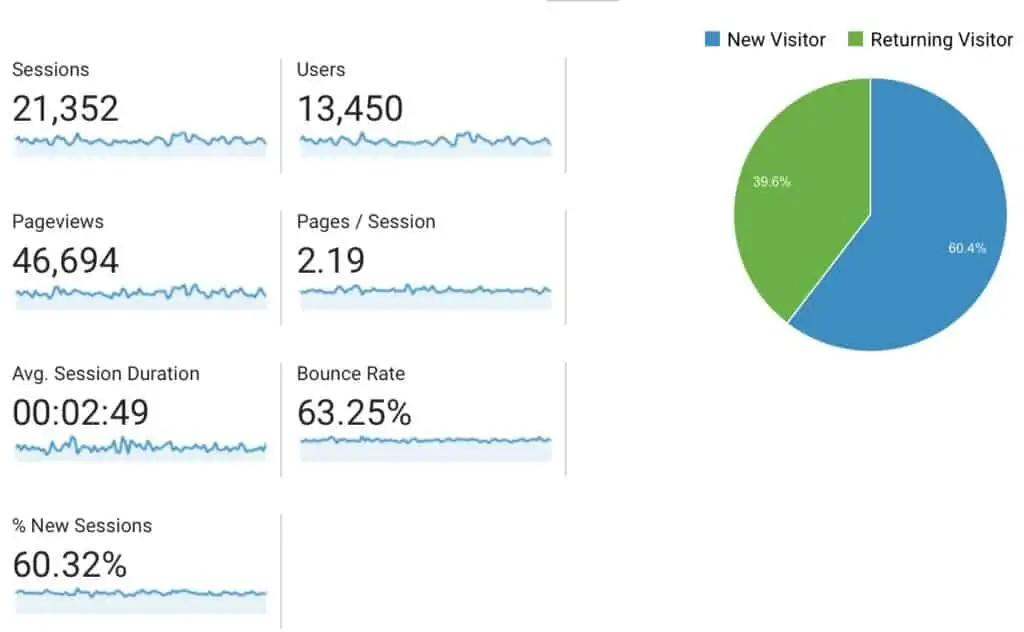
And you will track your web pages’ rankings over time. Why such vigilance? The internet is a shifting landscape. Whenever another site moves up or down in the rankings, it can affect your site’s ranking, too.
Slip below the first page of search results, and a site’s new traffic might drop off noticeably. Course corrections are a fact of life for many SEO-intensive projects.
Optimizing for good search-result rankings
It requires specialized knowledge, mindful of what can happen when good intentions go awry.*
SEM vs. SEO
What are they? What’s the difference?
SEO — search-engine optimization, AKA on-page SEO:
- For each web page, identify keywords and phrases people naturally use when searching for content of the kind that page offers.
- For most keywords or phrases, ensure the usage is natural and relevant to the page content.
SEM — search-engine marketing includes SEO but goes farther:
- Garnering in-bound links from higher-traffic sites that serve a related subject.
- Coordination with social-media marketing campaigns.
- Pay-per-click campaigns via agencies like Google AdWords.
*A website’s owner may pay a steep price for bad SEO practices. When choosing an SEO service, be certain they are reputable. If you do this task in-house, be sure staff stays up to date on best practices.